Move Smart Plus Blog

19
Sep
The Best Packing Materials for a Safe Move
Good packing materials aren't about buying everything available — they're about using the right material for each type of item. A few basics, used correctly, protect a house full of belongings far better than an expensive box you don't actually need.
Cartons: Getting the Size Right
Small boxes for heavy items, larger boxes for light ones — that's the rule that matters most. A small box packed with books stays manageable to carry; the same books in a large box make it too heavy to lift safely, and the box is more likely to be dropped or to split at the bottom. Double-walled cartons are worth using for anything heavy or for a long-distance move, since a single-walled box can weaken over a long journey.
Bubble Wrap and Packing Paper
These aren't interchangeable. Packing paper is for wrapping and cushioning — lining the bottom of boxes, filling gaps, and wrapping crockery. Bubble wrap is for items that need impact protection — electronics, mirrors, picture frames and anything with a screen or a glass surface. Using bubble wrap for everything adds bulk and cost without adding much protection where it isn't needed.
Tape, Labels and a Marker
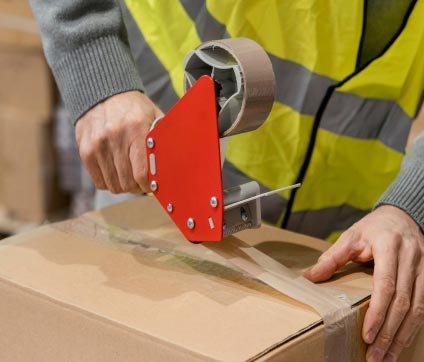
A good quality tape matters more than it seems — cheap tape peels off during a long move, especially in humid weather, which is common across Bihar and Jharkhand for much of the year. Seal boxes with tape across the bottom seam as well as the top, and label every box with its room and a short description of what's inside. "Fragile" and "This side up" written clearly saves the crew guesswork when they're loading and unloading.
Protecting Furniture
Furniture doesn't need boxing, but it does need protection from scratches and moisture. Stretch film wrapped around sofas, mattresses and cabinets keeps dust and dampness off during transit, while corner protectors or padding on sharp edges prevent scuffs to walls and doorframes as pieces are carried out.
What You Can Usually Skip
Specialty boxes for every single item category are rarely necessary for a typical household move. A well-stocked set of standard cartons in two or three sizes, combined with proper wrapping for fragile and delicate items, covers almost everything — from a home to a small office move.
Getting Materials Right for Your Move
Whether you're packing a home or an office, the same principles apply: right box size, right wrapping for the item, sealed properly, labelled clearly. If you'd rather not source and buy all of this yourself, our home shifting and office relocation services include packing with materials suited to each item, and our warehouse storage service uses the same standard when goods are packed for storage rather than immediate delivery.
For more on putting these materials to use, see our guide on packing fragile items the right way, or work through our moving checklist to plan the rest of your move.
Category: Packing
You May Also Like